Professional field equipment
Ground-Penetrating Radar: PQ622, PQ625 & PQ626
Compare PQWT ground-penetrating radar for utility mapping, roads, bridges, tunnel lining and geological investigations. Choose the antenna for your target and site, then request a project quotation.
PQWT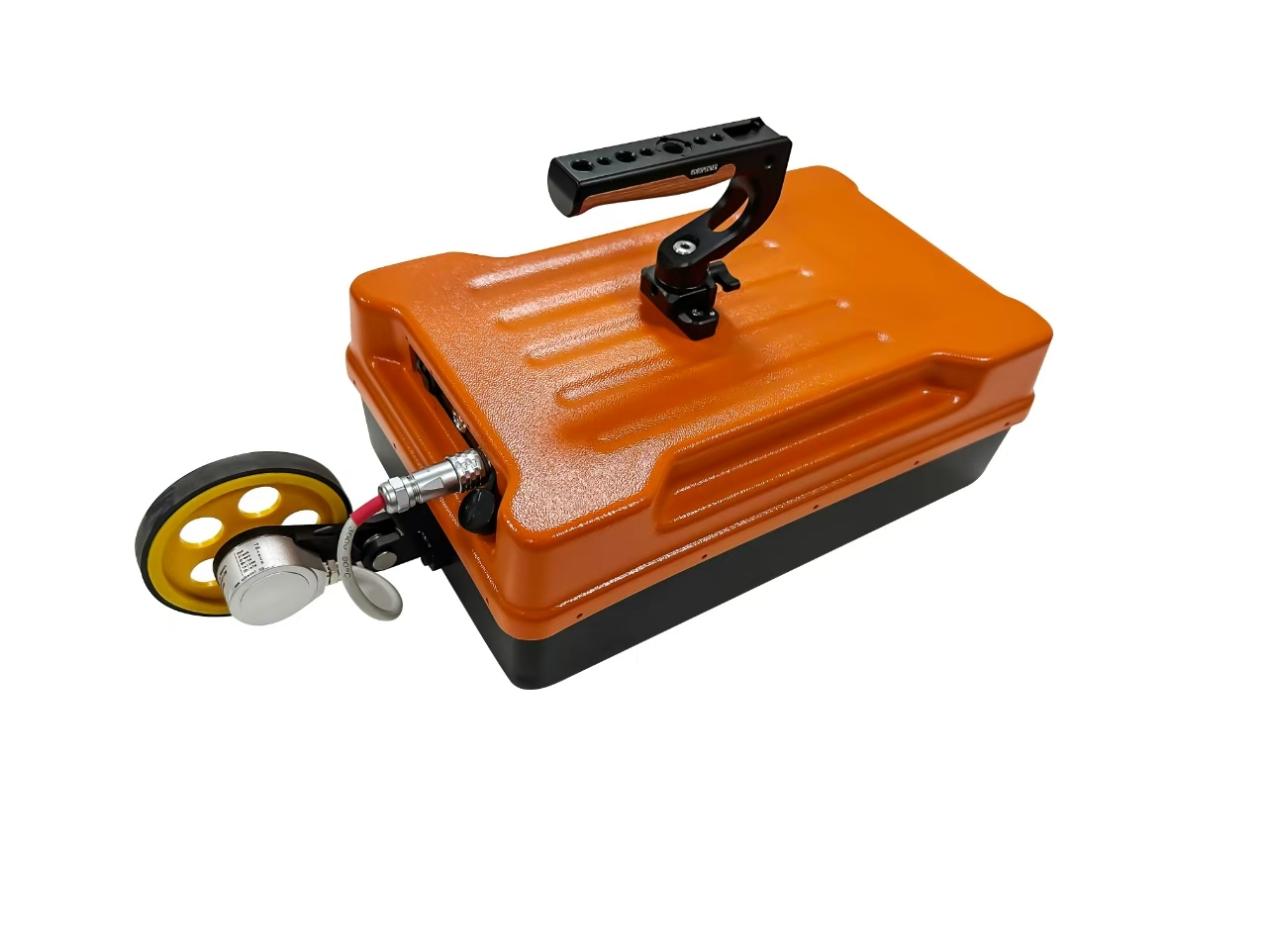 PQ622 · 600 / 900 MHz
PQ622 antenna600 / 900 MHz
PQ625 configurationSingle / dual frequency
PQ626 antenna50 / 100 MHz
Actual detection depthDepends on site and target
Applications
Applications
Road, bridge and tunnel structure surveys
Geological and subsurface investigations
Key advantages
Key advantages
✓Radar reflection acquisition
✓Application-based antenna selection
✓Clear profile visualization
✓Training and interpretation support
✓2-Year Warranty
✓Expert Support
PQWT GPR · PQ622 / PQ625 / PQ626
How to choose PQ622, PQ625 or PQ626 ground-penetrating radar
Start with the target and ground conditions, then choose an antenna. PQWT GPR records reflected electromagnetic pulses to investigate subsurface contrasts. It is different from GT natural-electric-field groundwater surveying and PQ325 CCTV inspection inside pipes.
Road layers, bridge structures and tunnel lining, subject to target size and reinforcement.
Specify single- or dual-frequency configuration in the quotation.
Unshielded antenna configurations for suitable geological survey conditions.
Confirm the supplied computer, software version, data export and training package.
01
PQ622
PQ622: roads, bridges and tunnel lining
PQ622A uses a 600 MHz antenna; PQ622B uses 900 MHz. These higher-frequency options support shallow structural investigations where detail matters, such as pavement layers, lining thickness and suspected voids. Higher frequency normally improves detail at the expense of penetration.
Define the smallest target and expected layer thickness. Reinforcement, antenna coupling and surface access can limit interpretation. A radar profile needs calibrated velocity or dielectric assumptions before travel time is reported as depth.
02
PQ625
PQ625: select the antenna configuration
PQ625 is a configurable family rather than one universal frequency. The supplied selection guide discusses single-frequency 100 / 200 MHz equipment; the manufacturer also lists dual-frequency PQ625A+ (100 + 400 MHz), B+ (200 + 400 MHz), C+ (200 + 600 MHz) and D+ (400 + 900 MHz). Confirm the complete suffix and antenna set before ordering.
For buried utilities or mixed-depth work, provide pipe material and diameter, expected burial depth, ground conditions and required survey coverage. A detectable reflection depends on contrast with the surrounding material; radar does not identify every buried object.
03
PQ626
PQ626: lower-frequency geological surveys
The supplied PQ626 manual lists PQ626C at 50 MHz and PQ626D at 100 MHz with unshielded antennas. These lower-frequency configurations can be considered for larger targets and deeper geological investigation where the site permits useful penetration.
Lower frequency does not guarantee a fixed depth. Conductive clay, saline ground, moisture and interference may strongly attenuate the signal. Allow adequate survey space and confirm the acquisition method: the supplied unshielded configuration does not include a distance wheel.
04
PROJECT
Prepare a useful GPR project brief
Send the country, target type, approximate target size and depth, ground or concrete conditions, survey area and desired output. Photos, existing plans and a sample profile help assess whether a demonstration or trial line is appropriate.
Ask the quotation to identify the exact antenna frequency, accessories, compatible Windows computer, software, training, warranty terms and delivery destination. Save raw data, survey-line positions and calibration assumptions so another operator can review the interpretation.
Related methods and equipment
Related resourceCan GPR detect water leaks?
Understand where radar helps and which measurements confirm a leak.
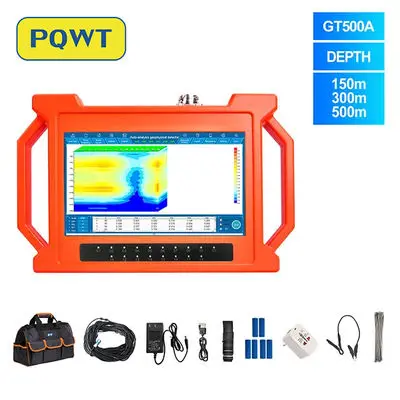
Explore specifications →Related resourceGT500A groundwater surveyingUse natural-electric-field profiles when the objective is groundwater target screening.
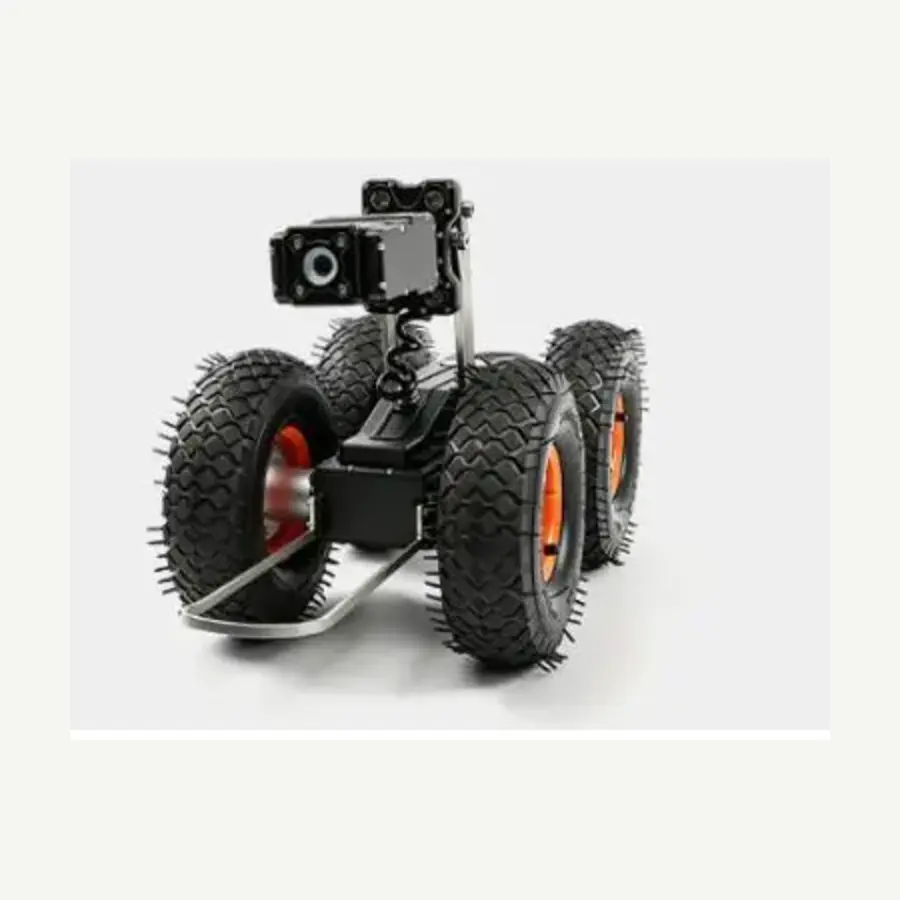
Explore specifications →Related resourcePQ325E pipe-interior inspectionUse a camera crawler when the project needs visual evidence inside an accessible pipe.
Explore specifications →Request a GPR configuration and quotation
Describe the target and site. If the frequency is unknown, choose “Recommend a configuration” and we can assess the options.
FAQ
Frequently asked questions
How deep can ground-penetrating radar detect?+
There is no guaranteed depth across all sites. Frequency, conductivity, moisture, target dimensions, contrast and noise determine useful penetration. Define a target depth and validate performance on representative ground.
Which PQWT radar should I choose?+
Consider PQ622 for shallow structural detail, PQ625 for configurable utility and mixed surveys, and PQ626 for lower-frequency geological investigation. The final choice needs target dimensions, depth and site conditions.
Is GPR the same as a GT groundwater detector?+
No. GPR records radar reflections from changes in subsurface properties. GT measures natural-electric-field signals for geological and groundwater target screening. Neither alone proves a productive water supply; drilling and pumping tests verify it.
Can I buy a radar without knowing the antenna frequency?+
Yes. Send the application, expected depth and target size with your country. Request a recommended configuration; the formal quotation should identify the exact model suffix, antenna, software and accessories.
Request a quotation
Request a quotation
Tell us your country, application and required depth. We will confirm the model, accessories, shipping and current export price.
Your quotation confirms the equipment, included accessories, freight, estimated dispatch / transit time, payment options and whether import duties or taxes are included. Please provide the delivery destination for an accurate total. Payment options →
Already own a device? Get after-sales help