PQWT-GT150A vs GT300A vs GT500A vs GT1500A
Compare stated survey ranges, field configurations, geological questions and verification needs across the PQWT GT series.
Read the guide →PQWT KNOWLEDGE CENTER
Practical selection, operation and interpretation guidance for groundwater exploration, pipeline leak detection and professional field projects.
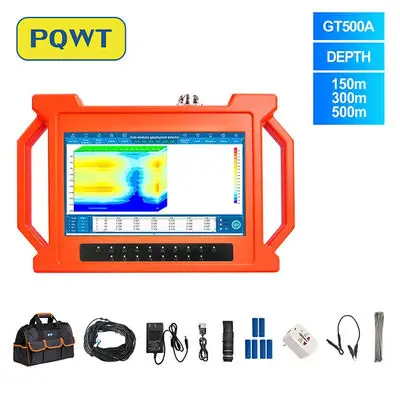
Compare stated survey ranges, field configurations, geological questions and verification needs across the PQWT GT series.
Read the guide →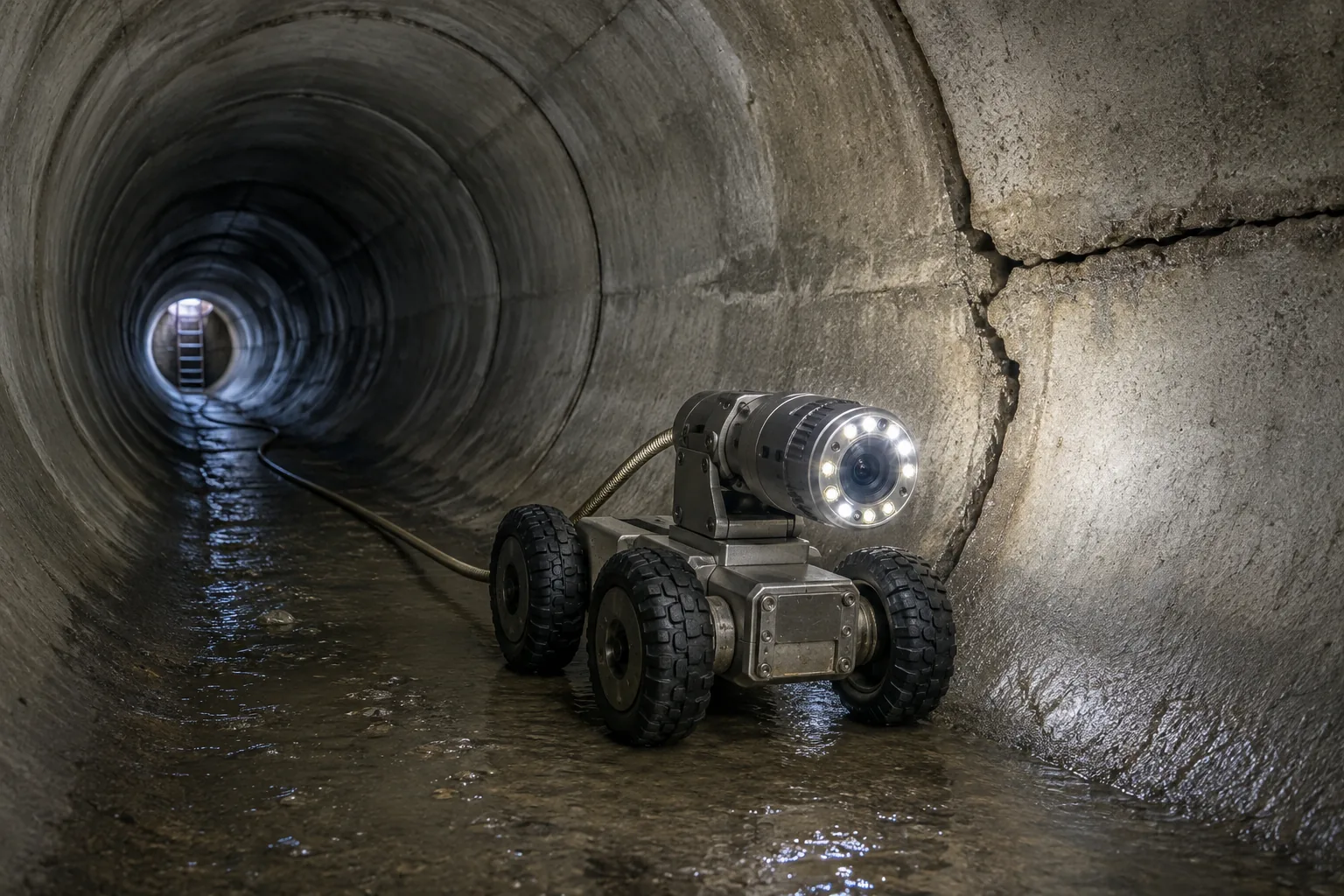
Choose the crawler by pipe diameter, camera, wheels, cable reel, obstacle crossing, recording and reporting requirements.
Read the guide →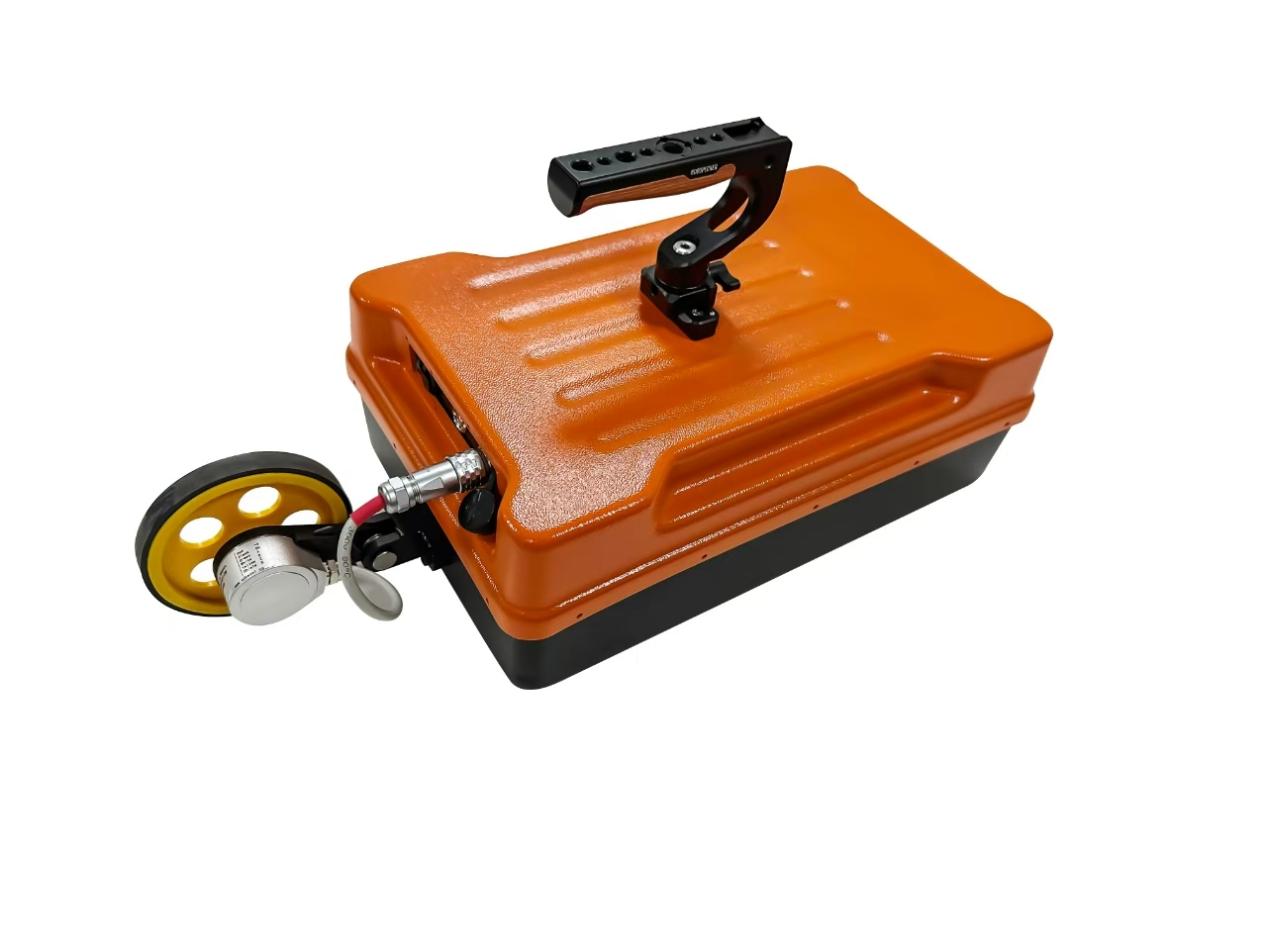
Compare antenna frequencies for utilities, structural layers and geological investigations. Check site limitations and request a project configuration.
Read the guide →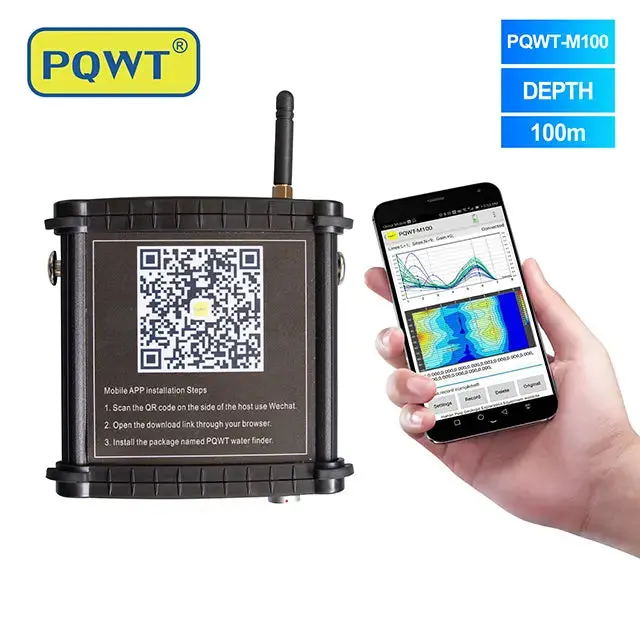
Descargue el manual en español, la app y el vídeo de operación. Instalación, conexión Bluetooth y medición. Solo Android; no compatible con iPhone ni iPad.
Read the guide →Download the Android APK, English, Spanish and Russian manuals, and operation video. Follow setup, Bluetooth connection, survey and storage steps. Android only; no iPhone or iPad.
Read the guide →Learn when radar can map a pipe, trench, void or moisture-related change—and which method should confirm the actual leak point.
Read the guide →Learn what the instrument measures, how to review profiles, which site conditions affect results and how to verify a borehole target.
Read the guide →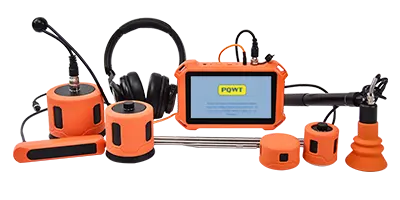
Compare indoor, outdoor, multi-sensor and tracer-gas configurations across the complete PQWT-125 water leak detector series.
Read the guide →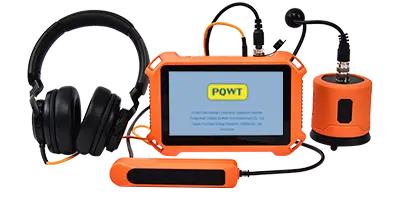
Map the pipe, build a baseline, screen at equal intervals, compare repeatable signals and verify the suspected zone before repair.
Read the guide →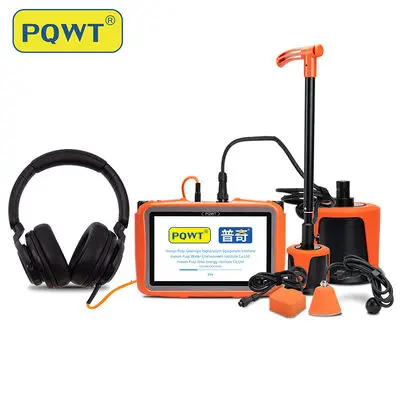
Compare configuration, sensors, training, warranty, shipping and project fit before requesting an exact L50, CL200, L5000 or L7000 quotation.
Read the guide →Divide a long route into zones, screen the likely section and combine acoustic, correlation, flow and tracer-gas evidence before excavation.
Read the guide →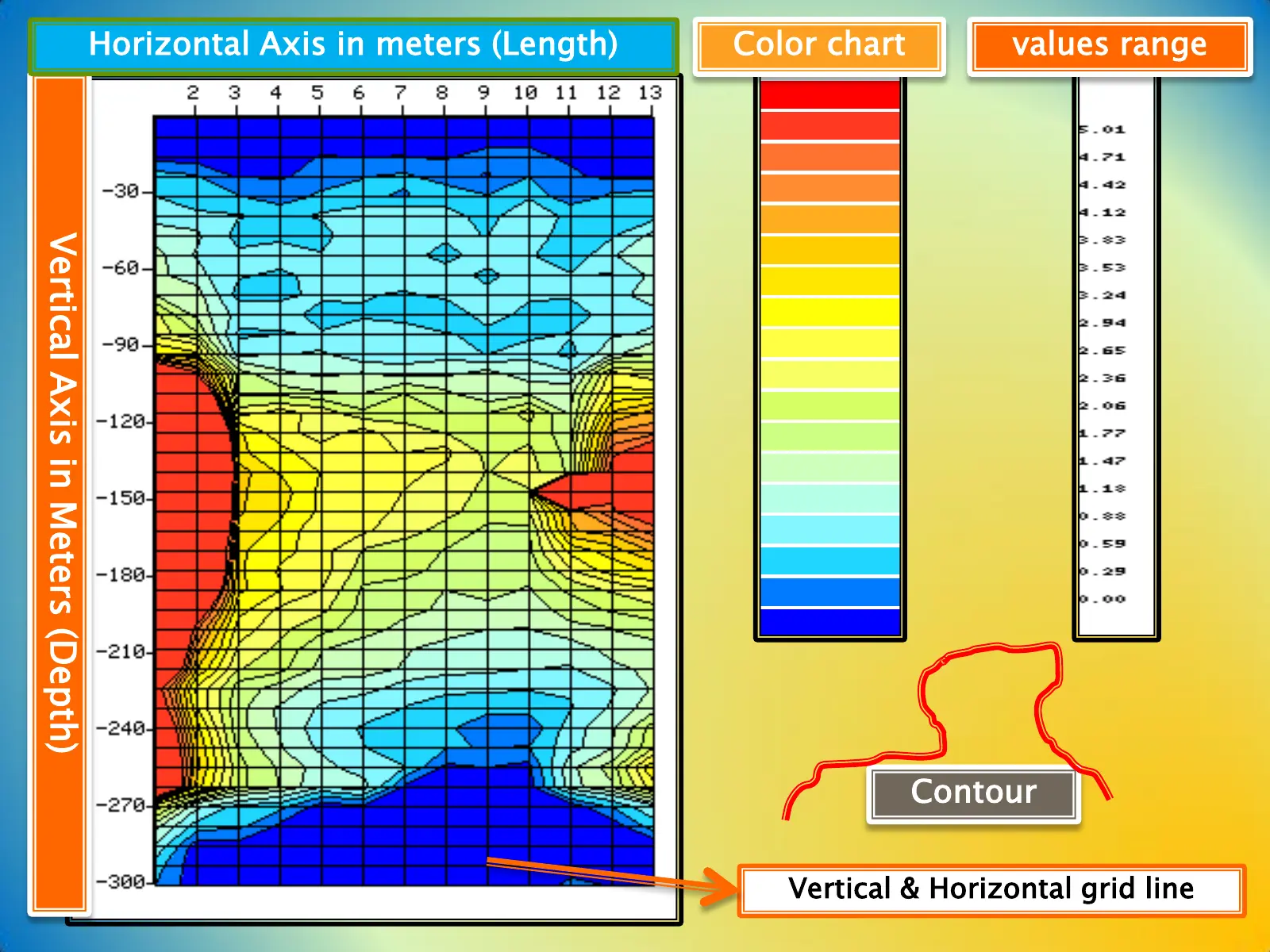
Set up M/N electrodes, compare measurement modes, interpret curves and profile-map colors, and directly download the complete operation and map-analysis PDFs.
Read the guide →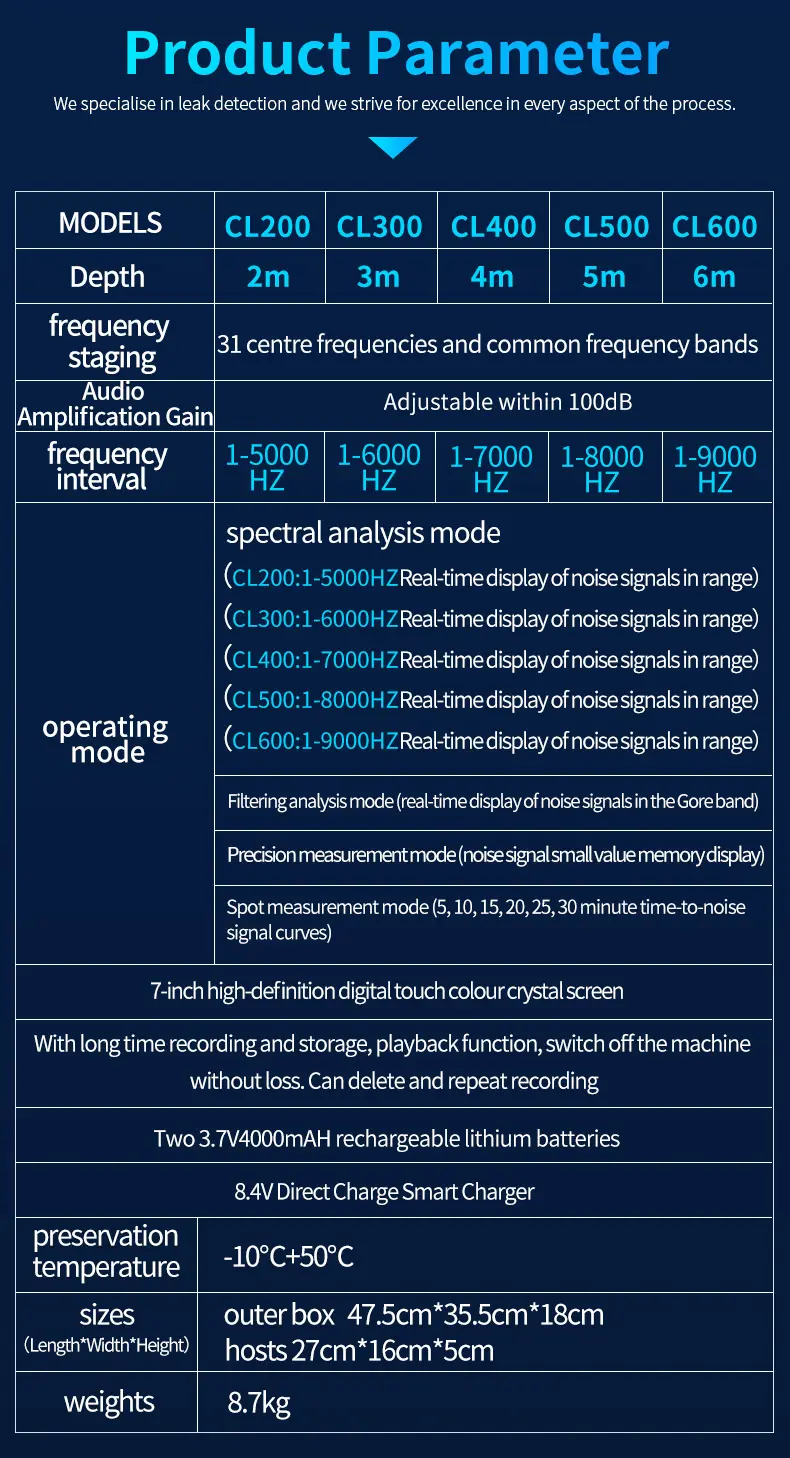
Compare spectrum tools, sensors, working environments and project fit before requesting a professional leak-detector quotation.
Read the guide →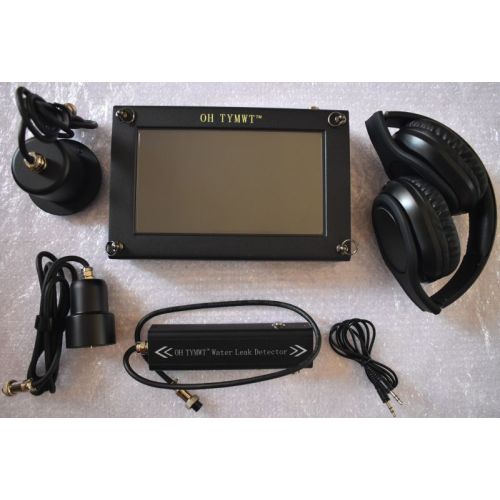
Confirm the loss, map the concealed route, compare a repeatable acoustic grid and verify the probable zone before cutting the slab.
Read the guide →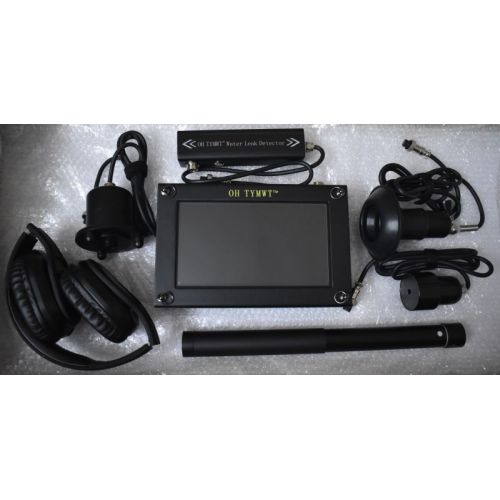
Understand why pressure, pipe material, burial, soil, surface and noise control real field depth—and how to verify a suspected leak before excavation.
Read the guide →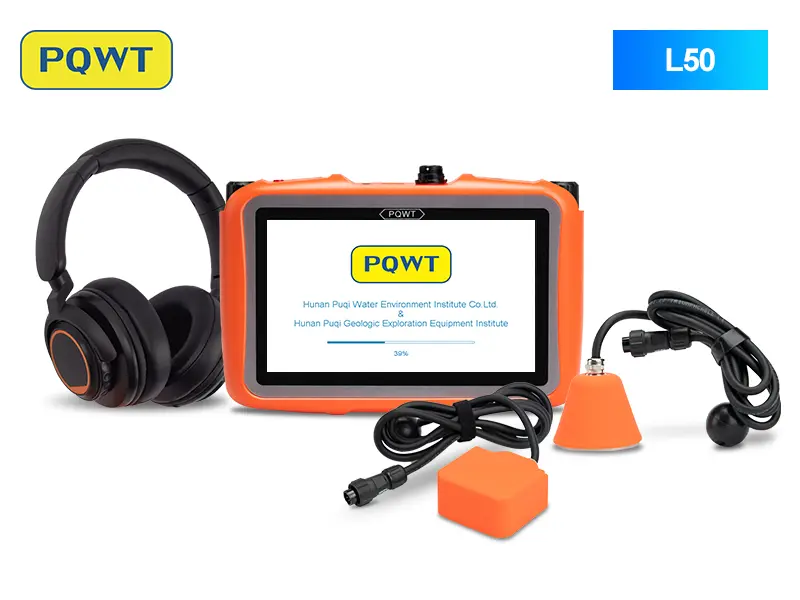
Select the floor or wall sensor, build a quiet baseline, screen in General Detection mode, narrow in Locating mode and verify before repair.
Read the guide →Build a shortlist from pipe material, diameter, pressure, depth, route length, surface, access and background noise.
Read the guide →Compare frecuencias, sensores, profundidad declarada, entorno de trabajo y casos de selección en español.
Read the guide →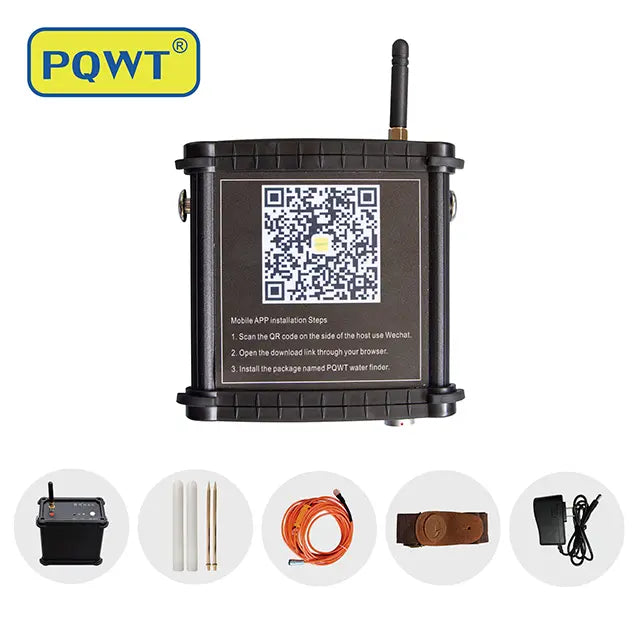
Understand what a surface survey can indicate, why it cannot directly predict liters per minute and how drilling logs and pumping tests verify a well.
Read the guide →Learn how leak vibration reaches a sensor, how filters and spectrum displays support comparison, and which field conditions make signals stronger or weaker.
Read the guide →Compare acoustic listening, correlation, loggers, tracer gas, pressure testing, thermal imaging and inspection before choosing a workflow.
Read the guide →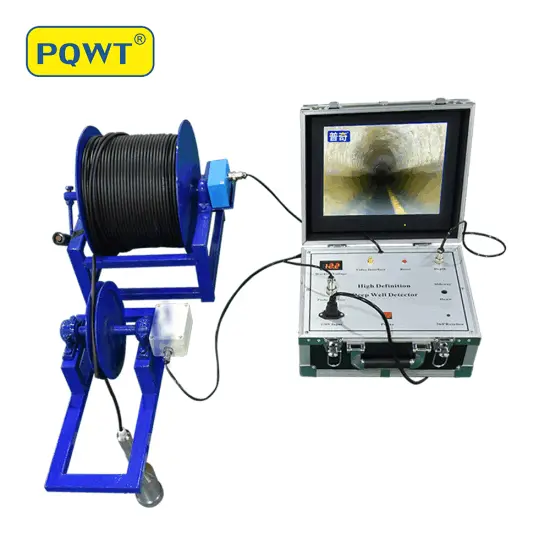
Compare cable length, probe diameter, down-view and rotating 360° imaging, lighting, depth counting and recording before configuring a well camera.
Read the guide →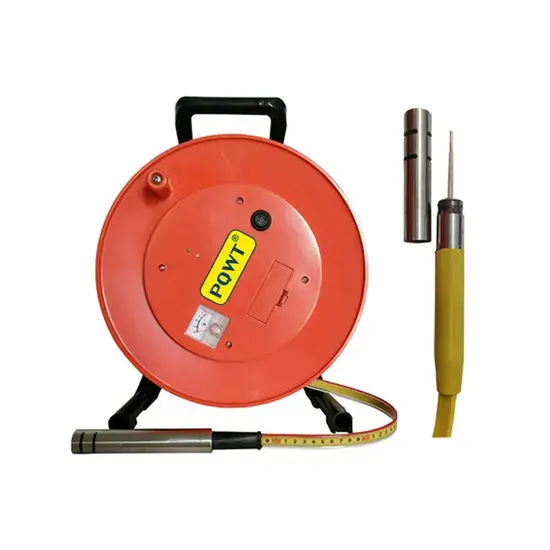
Use one fixed reference to measure static level, pumping level, drawdown and recovery with an audible and visual steel-tape probe.
Read the guide →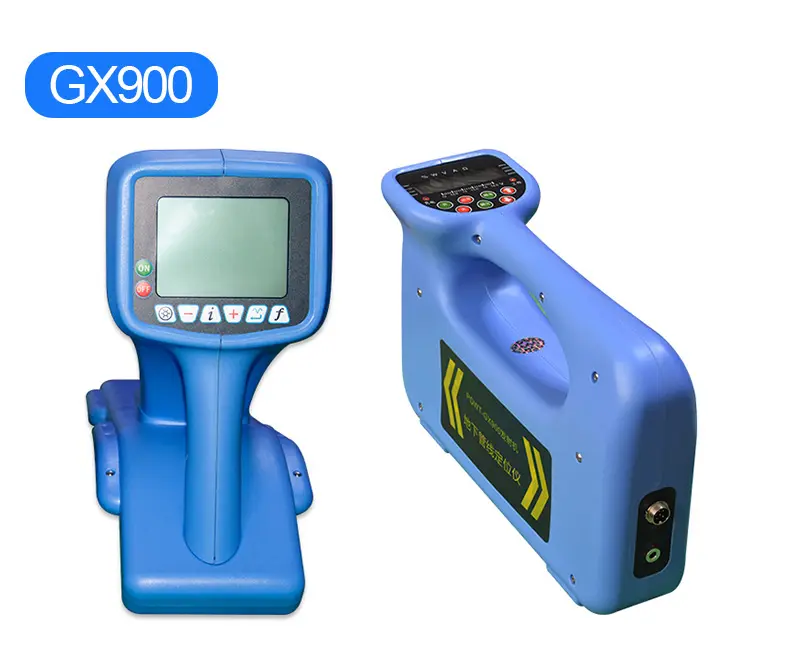
Learn direct connection, clamp, induction, frequency selection, route tracing and responsible depth checks for metallic buried utilities.
Read the guide →Learn when acoustic listening works on PVC, PPR, PE and HDPE pipes, when tracer gas is stronger and how to verify a leak before repair.
Read the guide →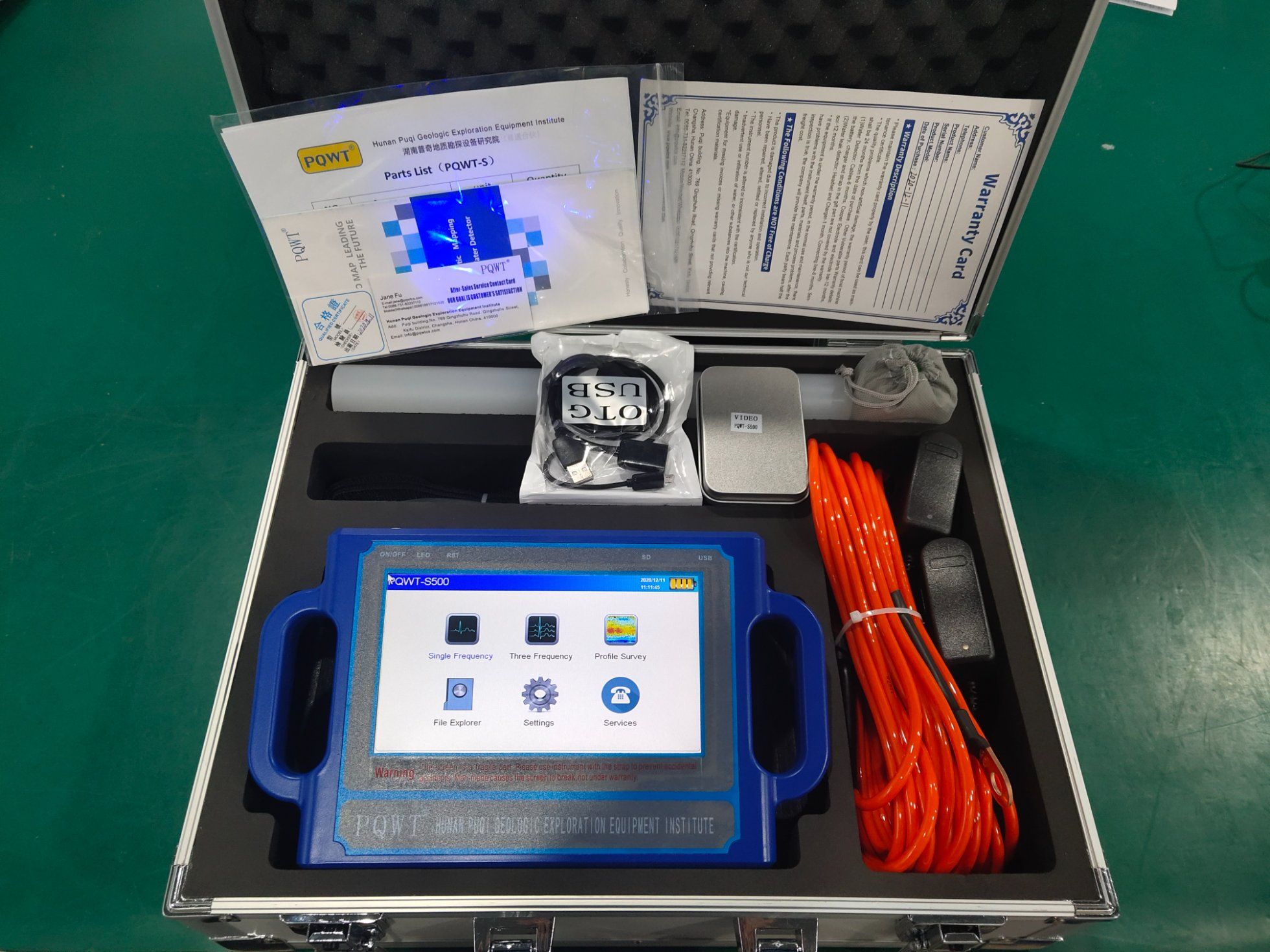
Compare S150, S300 y S500 según profundidad objetivo, geología, pozos cercanos, presupuesto y riesgo real de perforación.
Read the guide →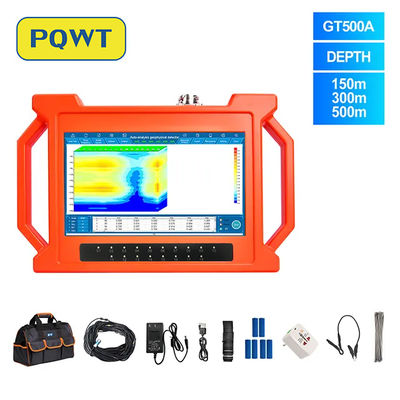
Separate real natural-field geophysics from unverified claims, compare established methods and learn how to test any groundwater detector fairly.
Read the guide →Map the pipe route, screen fittings, ground-listen, pinpoint and verify an outside leak, with indoor checks and safety guidance.
Read the guide →Compare model series, choose a suitable survey depth and follow a responsible field and interpretation workflow for borehole siting.
Read the guide →Compare acoustic and tracer gas methods, understand pipe-material challenges and follow a professional leak-location workflow.
Read the guide →